





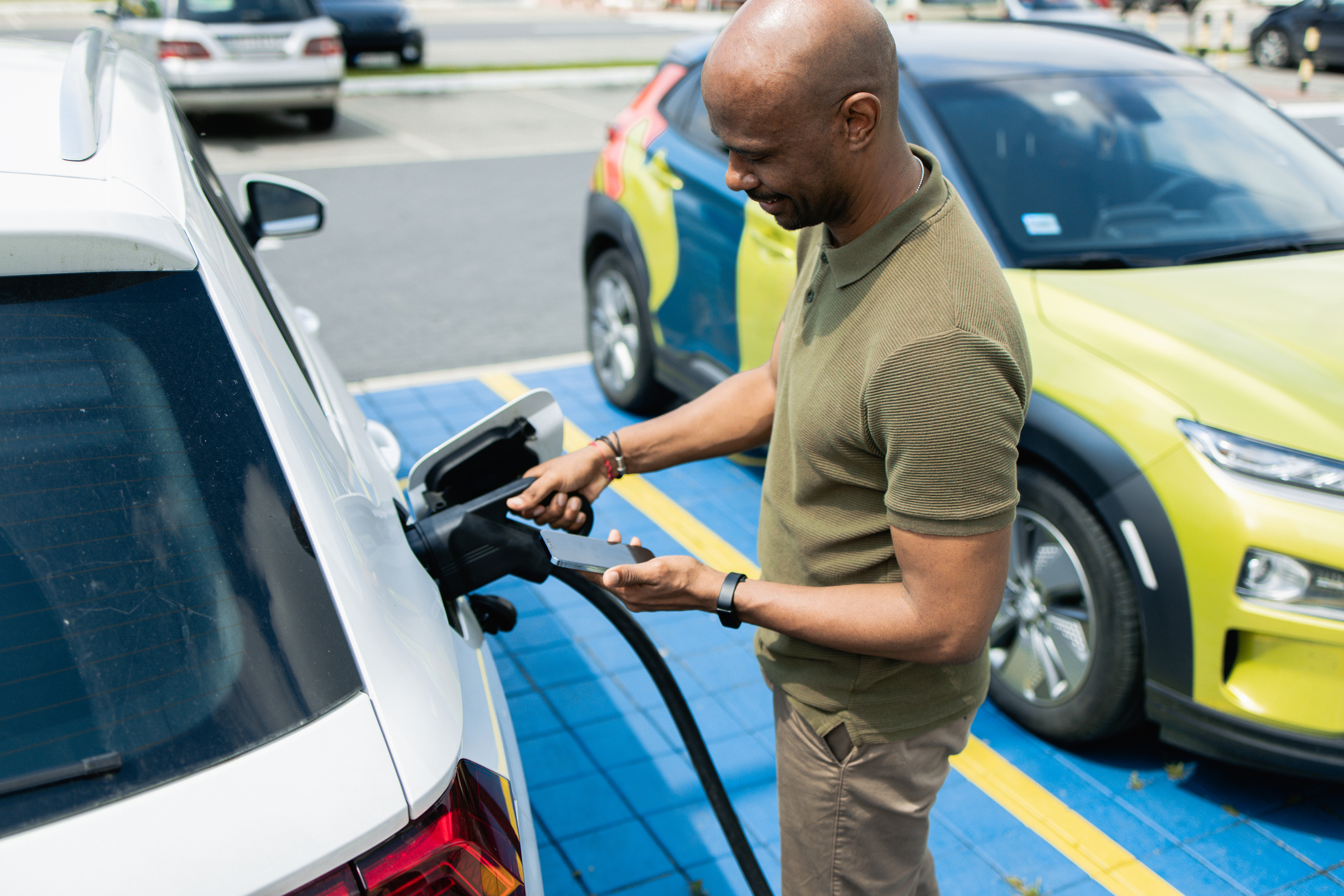
The addition of an installed electric vehicle charger at home brings convenience, speed, and long-term value, but it also creates new demands on the electrical system. Most installation problems, however, are rooted in misunderstandings or a failure to heed crucial standards of safety.
Understanding the EV charger safety regulations helps to protect a house, vehicles, and electrical infrastructure while also avoiding the common mistakes that undercut safety.
Good installation is not only about switching on the charger; instead, it deals with the load capacity, integrity of wiring, environmental considerations, and much more. Spending time in planning and following regulations gives assurance of dependable charging and long-term system reliability.
1. Omitting Electrical Capacity Survey
Perhaps the most common installation error is not determining the home’s electrical capacity before a charger is added. Chargers create a high and consistent electrical load that cannot be handled by many older panels.
The results could be circuits that are overloaded, tripping breakers, or overheating, which in turn could mean complete power interruptions. A professional will evaluate the capacity and suggest if panel upgrades or other circuit installations may be needed to accommodate the charger safely.
The benefit of addressing capacity earlier rather than later helps avoid repeated electrical issues and puts safety standards risks at bay.
2. Using Faulty Wiring Or Breakers
It says that EV chargers are to be installed with wiring and breakers designed for sustained power draw, which means that using undersized wire or incorrect breaker ratings increases electrical resistance that, over time, generates excess heat.
Most of these mistakes go unnoticed until the insulation degradation or failure in components starts to occur. Adherence to proper specifications ensures efficiency during its operation and eliminates overheating, damage to equipment, and fire hazards.
Correct wiring choices also improve long-term performance and reduce maintenance concerns.
3. Insufficient Grounding and Bonding
It is important to handle these with great caution to avoid any serious safety concerns while installing a charger. Proper groundings provide a path for excess electricity during faults and, therefore, protects the user from electric shock.
Poor bonding can lead to malfunctioning of the charger and is likely to further make it vulnerable during a power surge. Proper grounding methods ensure safety code requirements are met while allowing reliable operational performance of the chargers.
These measures are thus very important for user protection, as well as regulatory compliance.
4. Operating In Total Disregard Of Permit And Inspection Requirements
Some homeowners bypass permits and related inspections, either believing small installations are not necessary, especially permits. Most of them do require permits to verify that EV chargers comply with electrical codes.
If this step is skipped, it can lead to fines, failed inspections, and even future insurance complications. Permits and inspections guarantee that wiring, load calculations, and proper grounding are in line with safety standards to reduce future liability.
Compliance also provides documentation that the installation meets local regulations.
5. Incorrect Location Of Installation
Poor charger placement can expose the equipment to moisture, physical damage, or poor ventilation. Outdoor installations require the use of weather-resistant components, with proper clearance.
Professional EV charging station installation considers environmental exposure, ease of access, and safety clearances. Appropriately selecting a location enhances usability and prolongs the life of the charging equipment.
Well-planned placement also minimizes tripping hazards and improves daily convenience.
6. Overloading Existing Circuits
EV chargers plumbed into a shared circuit constitute the most common and hazardous mistake. Chargers should be on a dedicated circuit at all times to avoid an overload condition.
Homeowners looking for electrical wiring installation near me often find that a new circuit addition is required to comply with the safety codes. A dedicated circuit reduces the load on other wiring and helps in dependable charging without hindrance.
This will be a crucial step in avoiding recurrent outages and overheating problems.
7. Neglecting Home Electrical Upgrades
Pre-existing electrical loads are first to be assessed before the installation of an EV charger is done. Appliances, HVAC, and recent upgrades, including the interior lighting installation, add to the overall load.
Neglecting these requirements may result in system imbalance and unexpected loss of power. Full-scale assessment ensures the whole electrical system can bear the additional charger load without compromise.
Balanced load distribution supports safety and long-term reliability.
8. Failure To Maximize Efficiency And Utilization
Some setups power the charger without considering efficiency settings or any other usage patterns. Many modern chargers can be programmed to control charging times and power levels.
Using energy-efficient EV charging eases the burden on the electrical system and helps keep utility costs down. Efficient setups also support grid stability and maximize the long-term benefits of EV ownership.
It is a thoughtful configuration that greatly enhances performance and sustainability.
Conclusion
Avoiding common EV charger installation mistakes means comprehending safety requirements and planning well in advance. Following established regulations secures the protection of homeowners, vehicles, and electrical systems against preventable hazards.
Proper capacity assessment, correct wiring, proper grounding, permits, and thoughtful placement contribute to a safe and reliable charging setup. By considering these factors early on, homeowners secure peace of mind and dependable EV charging performance into the future.
Avoid costly EV charger installation mistakes with help from Cline Electrical Service. Our professionals follow all safety standards for reliable home charging. Contact us at 540-701-0110 today to schedule service.
FAQs
- Why is the implementation of EV charger safety standards significant?
They prevent electrical hazards, protect charging equipment, and provide assurance that the installations are installed to meet the required codes and standards.
- In any case, is it possible to install an EV charger without upgrading the electrical panel?
Some homes can handle chargers without upgrades, while many need improvements to their panels or circuits to keep up with the increased load safely.
- Do the installations of the EV charger always require permits?
Most local jurisdictions require permits and inspections that ensure safety compliance and proper installation.