





Electricity supports almost every activity inside a house. Phones charge daily. Cooling systems run for hours. Kitchen appliances stay active during busy evenings. Office equipment works nonstop during remote jobs. Most homeowners rarely think about wiring until lights flicker or breakers fail. That delay can create serious damage hidden behind walls.
A proper electrical system safety inspection in Salem, VA, gives homeowners a chance to catch trouble before sparks, smoke, or melted wiring appear. Small warning signs often point toward larger electrical strain hiding inside outlets, switches, or breaker panels. One loose wire can heat slowly for months before major damage begins. Modern living places heavy pressure on residential circuits. Gaming systems, televisions, charging stations, plus portable appliances stay plugged in constantly. Older wiring struggles under that demand. Routine inspections help reduce danger while keeping appliances operating with better stability during daily use.
1. Flickering Lights Usually Signal Bigger Trouble
Many people ignore flickering lights because lamps still turn on. That mistake can become expensive very fast. Flickering often signals loose wiring, overloaded circuits, damaged breakers, or unstable electrical flow inside a property. Buzzing sounds near outlets also deserve immediate attention.
Many homeowners ask, how often should electrical systems be inspected, after seeing warning signs around outlets or breaker panels. Older homes usually need inspections every three to five years. Properties carrying heavy appliance demand may need evaluations sooner. Storm activity also creates hidden electrical damage. Sudden voltage changes can weaken breakers or loosen wiring inside panels. After rough weather moves across residential areas, scheduling an inspection helps reduce future repair costs while protecting appliances from added damage.
2. Older Homes Carry Hidden Electrical Stress
Older properties often contain outdated wiring materials built for another generation of electrical use. Decades ago, homes carried fewer appliances and lower energy demand. Modern families now depend on large televisions, office equipment, portable heaters, plus kitchen devices running daily. Electrical panels inside aging homes can become overloaded without visible warning signs. Warm outlets, tripping breakers, plus dim lighting usually point toward stressed circuits. Ignoring those signals may allow heat buildup inside walls for long periods.
Homeowners planning kitchen upgrades, office additions, or remodeling work should schedule inspections before construction begins. Added appliances place greater pressure on already stressed wiring systems. Catching weak points early helps reduce expensive repair situations later. Routine inspections also help electricians identify damaged insulation, loose panel wiring, grounding problems, plus moisture exposure near outlets.
3. Safe Homes Need More Than Working Lights
Electrical safety goes far beyond turning switches on successfully. Healthy wiring supports refrigeration, internet equipment, heating systems, security devices, plus medical equipment used inside many homes. One failing circuit can interrupt daily living instantly.
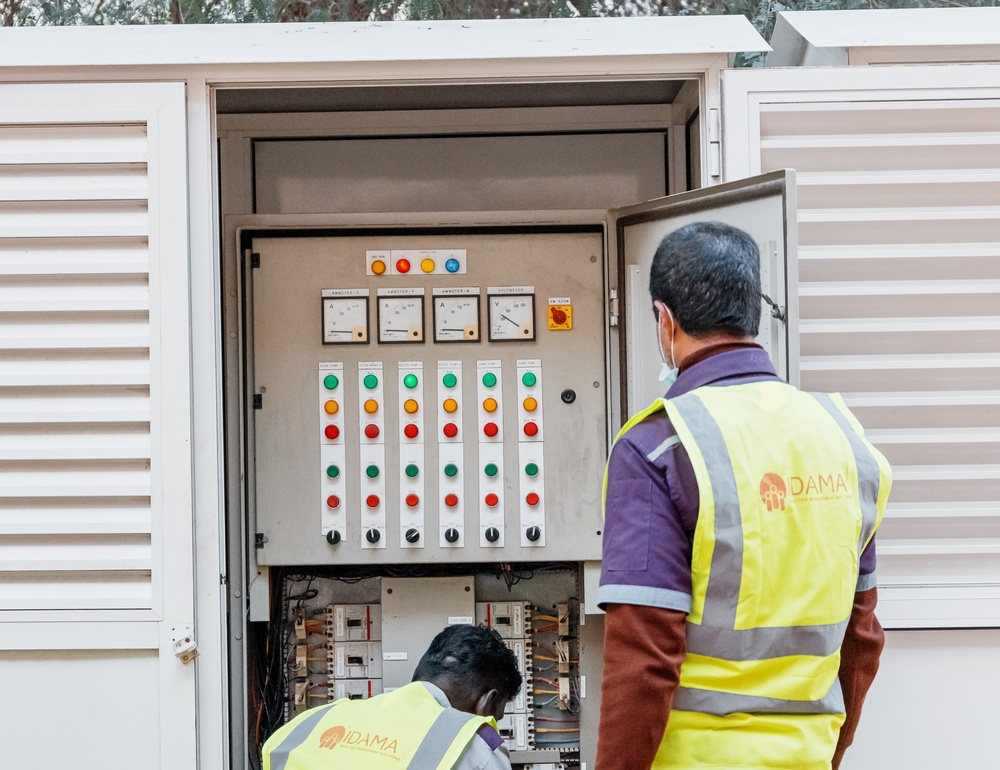
Homeowners often search online, asking what is included in an electrical safety inspection for homes before scheduling service appointments. Most inspections include breaker testing, panel evaluation, grounding checks, outlet testing, voltage readings, smoke detector reviews, plus wiring condition analysis. Electricians also check overloaded extension cords placed around entertainment centers or office desks. Many families plug multiple devices into a single outlet without realizing that heat buildup can damage circuits over time. Damaged cords pose an increased fire risk, especially near carpets or furniture.
4. Remodeling Projects Change Electrical Demand Fast
Renovation projects often increase electrical pressure immediately. Installing office equipment, workshop tools, larger appliances, or entertainment systems changes circuit demand across entire homes. Older panels may struggle once those additions begin operating daily.
People searching for an electrical safety inspection checklist for homeowners usually prepare for remodeling projects or property sales. Important inspection areas include breaker testing, grounding review, outlet checks, smoke detector function, surge protection review, plus panel labeling verification. Home sellers also benefit from scheduling inspections before placing properties on the market. Buyers feel more comfortable purchasing homes with recently inspected electrical systems. Sellers gain stronger confidence during negotiations because fewer surprise repair problems appear later.
5. Consistent Inspections Protect Long-Term Property Value
Electrical neglect often becomes expensive slowly. Small wiring issues may damage appliances, weaken breaker panels, or create smoke damage hidden inside walls. Routine inspections help reduce sudden breakdowns while supporting safer electrical performance during daily living.
Insurance companies sometimes request electrical records after property damage or fire claims. Updated inspection reports help show active property maintenance during claim discussions after major incidents occur. Routine inspections may also improve energy efficiency. Loose wiring or damaged electrical parts sometimes waste electricity through heat buildup. Correcting those issues can lower monthly utility costs while helping appliances perform better across busy households.
Electrical systems will often start sending out warning signs before a major failure hits. That means flickering lights, a buzzing outlet that’s just a little too loud, or a warm switch can be a sign of some underlying wiring issues in your home. Likewise, tripping breakers at the drop of a hat is a good sign that something is amiss. Doing regular checks is a great way to catch problems before they start causing real damage or putting your safety and appliances at risk. And let’s face it, if you’ve got an older home, doing some renovations, or have just been hit by a storm, or you tend to run a lot of power-hungry appliances all at once, that can put a lot of extra strain on your circuits.
“Cline Electrical delivers sharp, detail-focused inspections built for modern homes under constant electrical demand. From overheating outlets to unstable breaker panels, their expert team tracks hidden faults before they turn into costly damage. Contact their expert team today at 540-701-0110 for safer, stronger electrical performance with diagnostic support built for lasting residential protection.”
FAQs
1. Why do older Salem, VA, homes experience breaker problems often?
Older Salem, VA, properties usually contain aging wiring or outdated panels struggling with modern appliance demand. Routine evaluations help identify stressed circuits before larger electrical failures occur.
2. Can warm outlets inside Salem, VA homes become dangerous?
Yes. Warm outlets inside Salem, VA, properties may signal overloaded circuits or loose wiring. Immediate inspections help reduce fire risks connected with hidden electrical heat buildup.
3. Why should homeowners in Salem, VA, schedule regular electrical evaluations?
Routine inspections help Salem, VA, homeowners identify damaged wiring, unstable breakers, plus overloaded outlets before costly electrical emergencies interrupt daily living.