





Introduction
Electric vehicles are no longer the future; they’re actually here now, and more and more people are switching to EVs, saving money on fuel and cutting down on emissions. But now that you’ve got an electric vehicle, you can’t help but ask yourself one pretty fundamental question: how do you charge it conveniently, every day?
That’s where getting a quality EV charger installation in Roanoke, VA, becomes super important. Now, we know that if you’re in an emergency, you can just charge your car using a standard outlet, but that’s not exactly what you want to be doing on a daily basis.
Installing a proper charger is a lot more than just plugging something into the wall, though. You’ve got to consider how much power your house can handle, what permits you need to get, and all sorts of other safety stuff that you really don’t want to mess up.
Costs, permits & local install basics
1. Why Home EV Charging Makes Sense
Public charging stations can be a big help, but let’s face it – they can be super inconvenient. You’re stuck waiting in line or planning your whole day around finding a place to charge up – and before you know it, you’re getting frustrated.
But what if you had a home charging station? You could just plug it in overnight and wake up with a full tank every morning – no fuss, no muss. It’s a real practical solution, and it’s often cheaper in the long run, too.
For families with multiple vehicles, or for people with crazy busy work schedules, having a charging station in your garage or driveway is a total game-changer.
2. Levelling Up – Understanding Level 1 vs. Level 2 Chargers
You’ve got two main kinds of chargers to choose from: Level 1 and Level 2.
Level 1 chargers just use a regular old 120-volt outlet, but they’re super slow – they might only give you a few miles of range every hour. Level 2 chargers are a whole different story, though – they operate on 240 volts, and that makes a huge difference to how fast you can charge up. Most people choose this option for daily use.
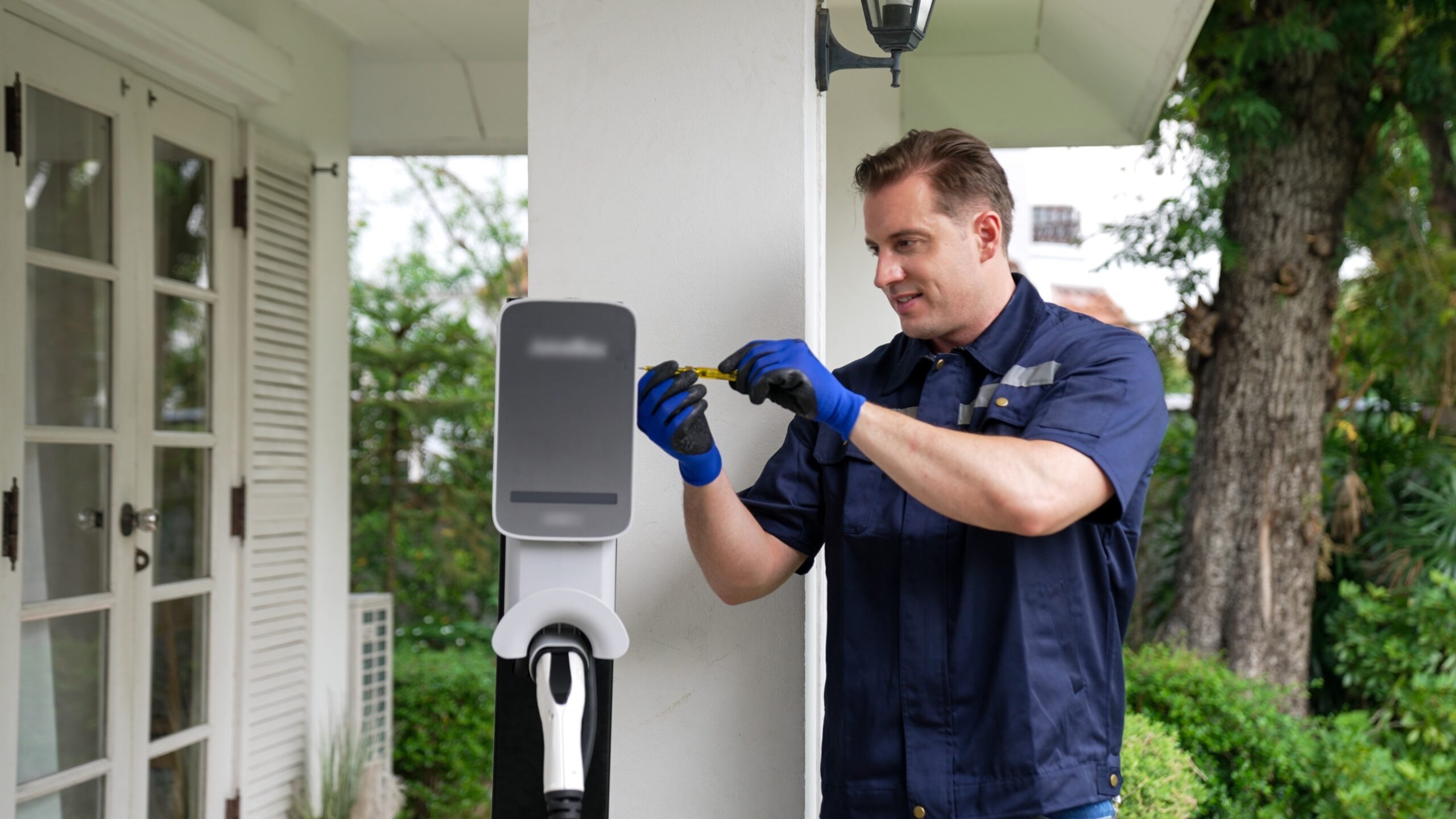
Now, before you can get a Level 2 charger installed, you’re going to need a qualified electrician in Roanoke, VA, to take a look at your electrical system. They’ll need to make sure you’ve got a dedicated circuit and a panel that can handle the extra load.
3. Electrical Panel Capacity & Upgrades – Getting Ready
The thing is, not all homes are ready for EV charging. Older places might need some upgrades to handle the extra amperage – and that’s where a professional assessment comes in.
Here’s what they’ll be looking at:
• How much room is left in your panel?
• What’s your current load capacity?
• Are your breakers compatible?
• Are you meeting all the local safety and grounding requirements?
If you do need some upgrades, getting them done properly will prevent all sorts of future headaches – and make sure your system is up to code.
4. Permits, Codes & Safety Requirements
Installing a charger isn’t just something you can do in your garage on a Saturday afternoon. Most places need permits and inspections to make sure it’s all safe and proper.
And it’s not just about getting around local regulations – it’s about making sure homeowners don’t get hurt from electrical fires or other hazards. Working with licensed professionals will make sure you’re meeting all the requirements and that your installation passes inspection the first time around.
5. Costs & Long-Term Savings
It’s true that installing a home charger comes with a price tag – but that’s only half the story. You’ve also got to think about how much you’ll end up saving on fuel down the line, plus the added convenience of having one at home.
To be honest, having a home charger installed can even be a major selling point if you decide to put your place on the market in the future – especially as the number of people switching to electric vehicles starts to grow.
Getting a home EV charger installation in Salem, VA, is about a lot more than just having a place to plug in your car. It’s about putting safety first, making your home run more smoothly, and getting your property ready for what’s coming in the world of transportation.
From panel evaluations to permits and final inspection, professional installation will give you peace of mind and make sure your system is working smoothly every day.So, done right, a home charger can be a long-term upgrade for your car and your home.
CTA:
Ready to get a safe and high-quality home charger installed? Contact Cline Electrical Service at
540-701-0110 for professional installation and expert guidance you can trust.
FAQs
1. How much does EV charger installation in Roanoke, VA, cost?
Costs depend on panel capacity, wiring distance, and whether upgrades are required. EV charger installation in Roanoke, VA, commonly ranges from moderate to higher investment levels depending on the complexity of the project.
2. Do I need a licensed electrician in Roanoke, VA, for EV charger installation?
Yes. A licensed electrician in Roanoke, VA, makes sure that the charger is connected safely, the panel can handle the load, and the installation meets local building codes and inspection requirements.
3. How long does EV chargers installation in Roanoke, VA, take?
Most installations can be completed in a few hours if no panel upgrades are needed. Whereas, more complex projects that require electrical upgrades may take longer.
4. Will an EV charger installation in Salem, VA, increase my home’s value?
In many cases, yes. As electric vehicle ownership grows, professionally completed EV charger installations in Salem, VA, are viewed as a desirable upgrade that adds convenience and market appeal.