





Introduction
Power outages can be very inconvenient, especially when there is an abrupt strike by storms. Ensuring your home remains powered during these times starts with selecting the right generator. Although choosing the right system may appear daunting, with the right guidance, it becomes manageable and rewarding. Whole-home generator installation in Salem, VA, provides homeowners with peace of mind and uninterrupted electricity during emergencies.
1. Assess Your Home’s Power Needs
Before buying a generator, it is vital to calculate how much power one’s home consumes. List down all essential appliances and systems you want to keep running: refrigerators, HVAC, lights, and medical devices during an outage. It will give one an idea of the total wattage required to help choose the size needed to handle one’s home’s electrical load.
2. Consider Fuel Type
There are three primary fuels used in today’s emergency generators: natural gas, propane, & diesel. The availability and the abundant supply of fuel make natural gas generators convenient, according to this view. Propane systems provide similar convenience; however, they store and require very little maintenance. Diesel generators provide strong & dependable power; however, compared to owners of other types of generators, diesel generators likely require more comprehensive maintenance plans. Therefore, the decision to choose a generator based on the availability, cost, and long-term maintenance factors associated with the fuel used will ultimately dictate your preference.
3. Understand Automatic vs. Manual Generators
Automatic standby generators are designed to work instantly in case of an outage, seamlessly providing energy with no user intervention. Manual generators, on the other hand, require you to start them during an outage. While less convenient, this could be a more cost-effective option for smaller homes. Understanding your lifestyle requirements will help you decide on which kind of generator fits your household.
4. Assess Safety Features and Noise Levels
Some of today’s newest generators have built-in shut-off capabilities if there is low oil or if there is an overload condition. The second thing to think about when buying a generator is how loud the generator is, because your neighbours may complain if they live in a residential area. You should purchase a generator that is quiet enough so that you can still provide the necessary power for your home and provide a safe and comfortable environment for your family, and also meet the noise ordinances imposed on the area you live in.
5. Check Installation and Maintenance Requirements
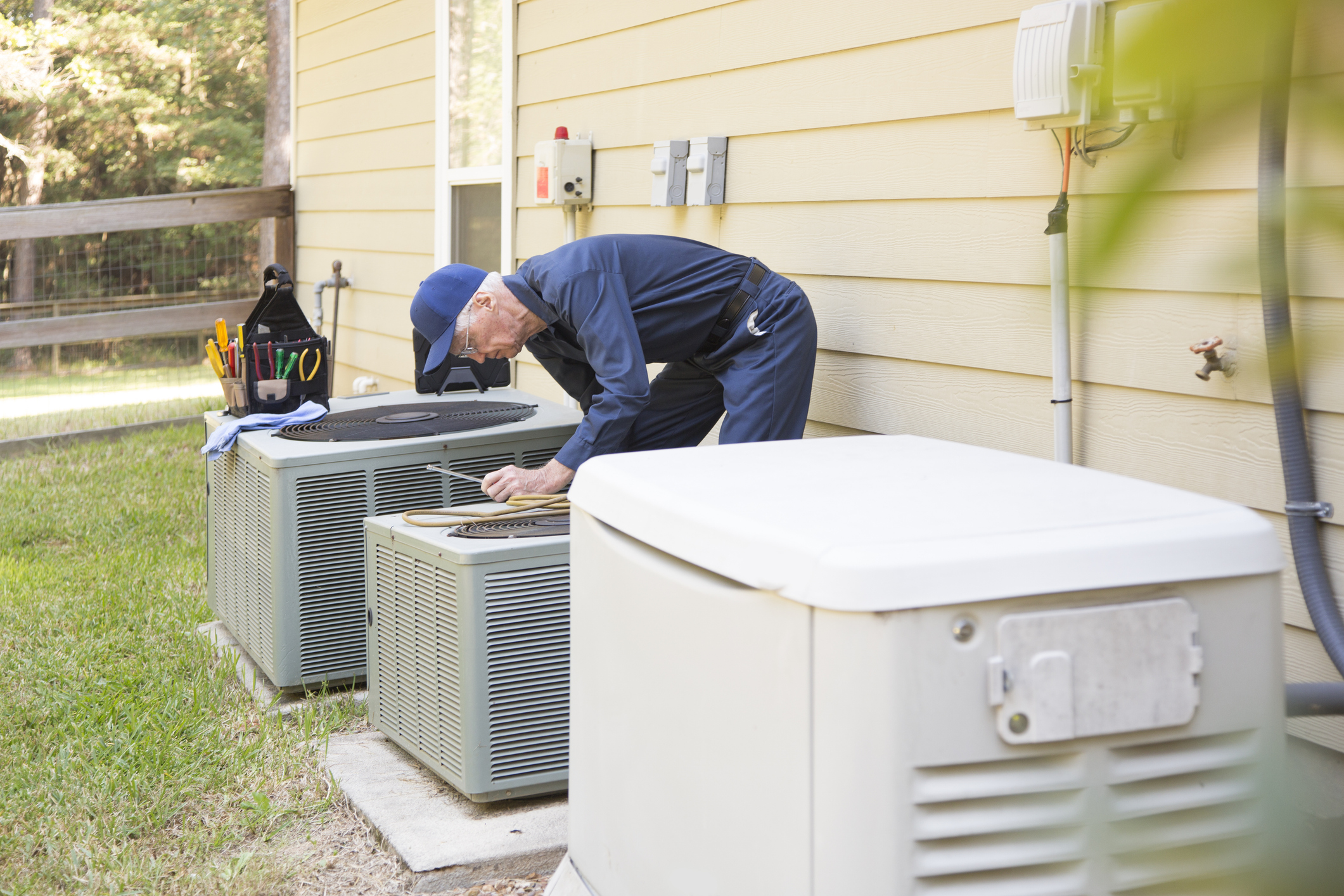
Proper installation is critical to both safety and performance. Professional whole home generator installation ensures efficiency in the operation of the system, besides ensuring that it meets the codes within the locality. Besides, the generator requires regular maintenance such as oil changes, battery checks, and load testing to increase its life. Many homeowners around Salem are also looking into whole-home generators in Cave Spring, VA, as part of their emergency preparedness, and this makes professional installation and ongoing care very significant.
Conclusion
Choosing the right one depends on several important factors, including power needs, fuel type, features, and what maintenance is required. A good generator and professional installation translate into peace of mind-the home stays running without a hitch in the event of an unexpected outage.
Contact Cline Electrical Service for trusted professional whole home generators installation at
540-701-0110 for reliable service. Our team ensures seamless installation, maintenance, and support to keep your home powered no matter what.