





Introduction
Power failures never occur at a convenient or predictable time. In the Southwest Virginia region, severe storms, ice, and downed trees can cause power failures for hours, sometimes days. For many families, a whole-home generator installation in Roanoke, VA, has become a necessity rather than a luxury item.
Old infrastructure and inclement weather conditions contribute to the possibility of a power failure. When this occurs, refrigerators cease to operate, air conditioning systems shut down, life-support systems are no longer functional, and businesses are forced to close. A standby generator puts an end to this uncertainty by providing an automatic power solution within seconds.
Here’s what you need to know before investing in one.
Whole Home Generator: Costs & Benefits
1. How a Whole Home Generator Works
Unlike portable generators that you can only use on the go, standby systems are permanently installed right outside your house. They plug right into your electrical panel and fuel source – usually natural gas or propane.
When the power goes out, an automatic switch picks up on the loss and kicks your generator in. In a matter of seconds, your lights, appliances, and important systems are humming along again. And once the power’s back on, the system swings right back to normal, no stress.
The big difference is how smooth everything runs – you don’t have to deal with extension cords, manual startup, or refuelling in the middle of a downpour.
2. Why More People Are Putting in Generators
Electricity reliability is becoming a major worry. With remote work and home offices on the rise, as well as smart home systems that need constant power, having a reliable backup is no longer a luxury. And for families with medical equipment or sump pumps, outages can be downright serious.
A lot of homeowners looking for an electrician near Vinton, VA, realise the value of backup power after just one extended outage. And the peace of mind it gives you? That alone makes it worth installing.
Standby generators also help protect your home from secondary damage. For example, if you’ve got a running sump pump during heavy rain, it can prevent all sorts of nasty flooding even when the power grid goes down.
3. Choosing the Right Size Generator
Not every house needs the same sort of power capacity. A load calculation is what figures out how much power your home needs. Some folks choose to just power the essential circuits, while others want the whole shebang.
Houses that are a bit bigger or have electric heating systems tend to need higher-capacity units. Businesses will often need customised solutions depending on what equipment they use.
When you’re comparing whole home generators in Salem, VA, it’s a good idea to work with someone who’s properly licensed and can figure out what you need for your home. If you oversize the unit, it’s going to cost you some – and if you undersize it, it might not work very well.
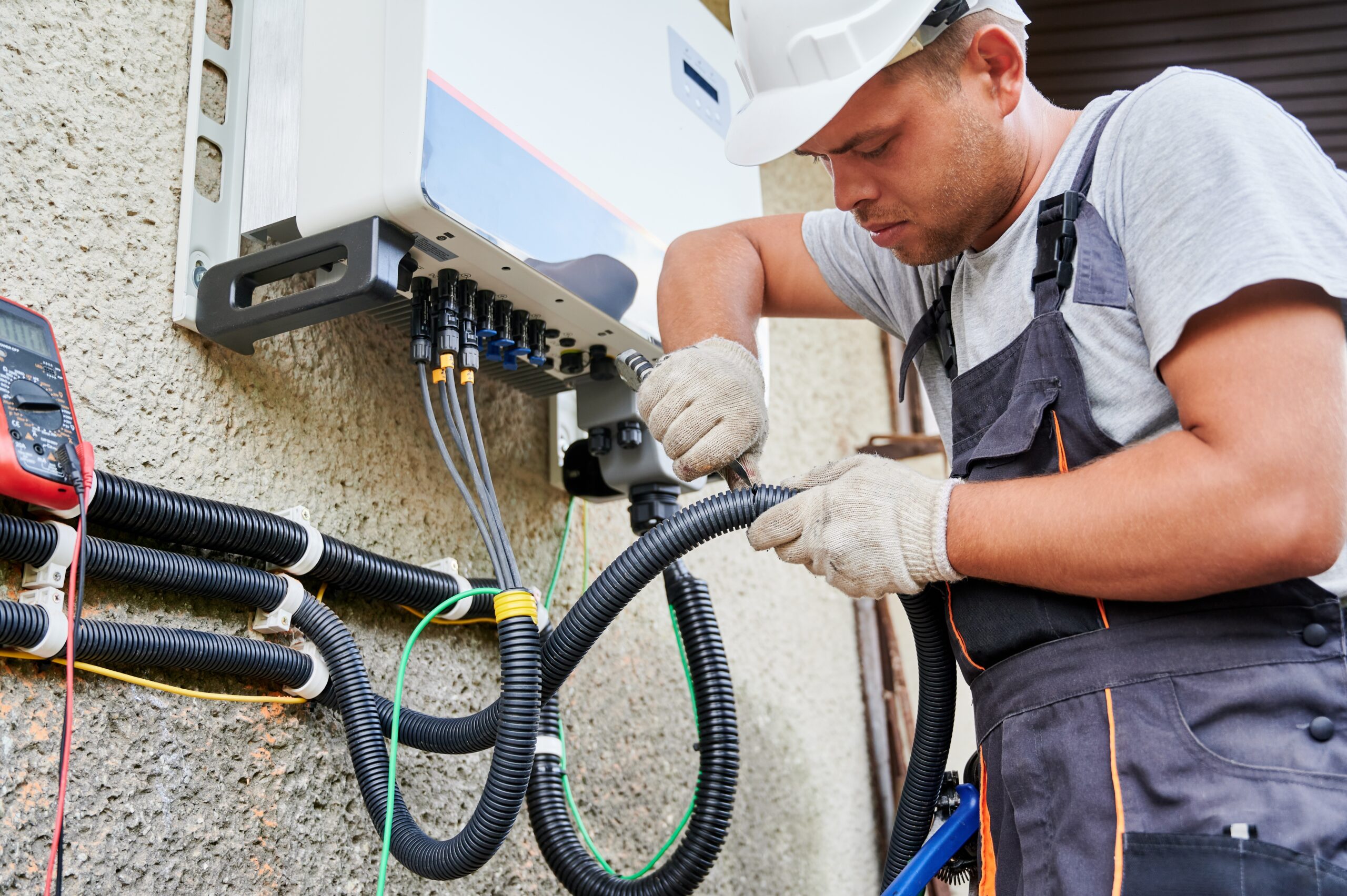
4. What’s Involved in Installation
Installation is a bit more complicated than just plopping a unit outside. It means:
- Site selection and working out where everything will go
- Hooking up the fuel line
- Installing the transfer switch
- Becoming best buds with your electrical panel
- Getting the necessary permits and passing the inspector
The whole process usually takes one or two days, depending on the site and how things go. And local regulations almost always require a properly licensed pro to handle the electrical connections safely.
Doing the job right means the system will work when you need it most.
5. Long-Term Value and Keeping it Running
A standby generator is a long-term investment – one that’s not just about being convenient, but also about boosting your property’s appeal and resale value. Home buyers love the idea of a home that’s got reliable backup power.
Regular maintenance is a must to keep the system in top shape. Most units run self-diagnostic tests every week, but it’s always a good idea to have an expert come in and check on things every now and again – like the condition of the fuel lines, battery components, and things like that.
Being prepared isn’t just about being comfy – it’s about having a safety net in place. Power outages are unpredictable, but the way you respond to them doesn’t have to be.
Instead of stressing out the next time a storm hits and you’re in the dark, you can rely on a system that kicks in automatically and keeps life moving without a hitch.
CTA:
Don’t wait for the next power outage to leave you in the cold. Pick up the phone and call Cline Electrical Service right now at 540-701-0110 to get expert generator installation and some reliable backup power solutions set up for you.
FAQs
1. How much does whole home generator installation in Roanoke, VA, cost?
Costs vary based on generator size, fuel source, and installation complexity. Most residential whole home generator installations in Roanoke, VA, range from $8,000 to $15,000. A detailed load assessment provides accurate pricing.
2. How long can a standby generator run continuously?
As long as it has fuel. Natural gas systems can run indefinitely during extended outages, while propane systems depend on tank size.
3. Do whole home generators in Salem, VA, increase home value?
Yes. Backup power systems are considered desirable upgrades, especially in areas prone to storms. They improve marketability and buyer confidence.
4. Is a permit required for whole-home generators in Roanoke, VA?
Yes. Electrical permits and inspections are typically required to ensure code compliance and safe integration with your existing system.